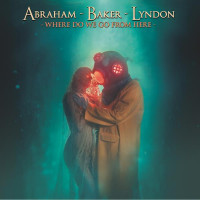
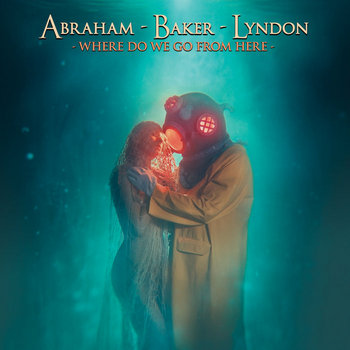
This Q&A shines a light on a remarkable collaboration between three musicians whose shared musical history finally found its moment to be heard. Where Do We Go From Here brings together guitarist and multi-instrumentalist Lee Abraham, keyboardist Dean Baker, and vocalist Andrew Lyndon in a project that began taking shape years ago before evolving into the powerful release we hear today. Originally rooted in songs written during the 1990s and later recorded in 2008, the album blends atmospheric progressive rock, melodic songwriting, and deeply personal emotion into something both timeless and reflective.
Sit back, click HERE for the album, enjoy!
What originally brought the three of you together to create Where Do We Go From Here?
Dean: Myself and Andrew have been writing songs and playing music together since we were teenagers and by the 90’s we were starting to take it seriously.
By the time we started working on Where Do We Go From Here we had a couple of decades worth of material and Lee Abraham had built his studio so it made sense to start recording at Lee’s. The more we worked on the recording, the more involved Lee was in terms of playing guitar, bass and singing.
We started shaping the songs a little differently from the original synth based material and realised that Lee really was a part of what we were doing.
Andrew: It was a project we had been meaning to do and finally got round to doing it together. We would be recording the album and lee would hear things that we couldn’t and started to add more and more to the project. By the time the album was recorded, Lee had played bass guitars and also done some extra keyboard parts and backing vocals. It just added more to what myself and Dean had started and it felt right.
Can you take me back to when these songs were first written—what was happening in your lives at the time?
Andrew: For me personally a lot was happening in my life. I’d lost my mum and I was struggling mentally as well. Dean was also going through some personal stuff. I think just life in general like everybody goes through but in some ways I’m lucky I can
create something and hopefully not just help myself but maybe someone else as well.
Dean: Andrew writes the lyrics but I had a notebook with my thoughts and rough lyric ideas. He put them into a proper lyric structure and used quite a few of my ideas which I was really pleased about. I’m glad that I helped to give him the inspiration on
a few songs. When I lost my dad I was able to tune into Andrew’s lyrics and wrote the music from quite an emotional standpoint. It’s something that I’ve been able to channel since then so it was a really helpful experience.
How did the collaboration evolve between you during the early stages of the project?
Andrew: Like said previously, Dean and I started the project and everything else just fitted into place as if it was meant to be. You have two members of Galahad who have performed together for many years and are very talented musicians and a vocalist who was looking for a piece of the action.
This album was recorded years ago—what caused it to be shelved initially?
Andrew: We organised a small pressing of a few CDs and I was happy with that.
Galahad came calling for Dean and Lee so Galahad took over more, so in some ways the timing wasn’t right for releasing an album. Dean is a superb keyboard player and in someways doesn't realise how good he his. I think I as well wasn’t sure in myself about my vocals and I did struggle a bit mentally.
Dean: As Andrew said, things were getting busy for Galahad and myself and Lee were starting to travel abroad a lot with the band. It was going to be temporarily put on hold for a few months and that soon became 18 years.
Did you ever think this project might never see an official release?
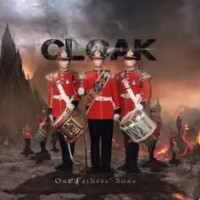
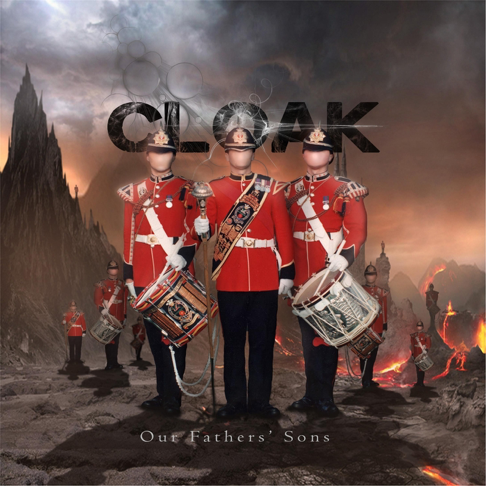
Dean: I actually thought that it was just a thing from the past that we had done because myself and Andrew had recorded an album a few years later as an act called Cloak.
Andrew: I don’t think we ever thought about at the time like I’ve said we released a few copies and I was happy with that.
What made now the right time to finally release it?
Andrew: Galahad had been touring in Poland and one of the original CDs found its way in the hands of member of Galahads promotion team. He loved the album and thought it would be a great release. So, if it hadn't have been heard by that gentleman, I don’t think it would have been released. So, I for one, am very grateful.
Dean: Lee and I were performing at a festival in Poland and the guys from OSKAR arranged to meet us. Part of the conversation turned towards this old recording and because OSKAR being mainly a progressive / classic rock label, it was not on my radar to even consider that this album would be of interest to them. Obviously, I was wrong about this and they were very enthusiastic about releasing it.
We spoke about how to market the album considering that it was almost a 20 year old recording.
Although it was originally a recording by Andrew and myself, we decided that Lee had played a large part in the way that it had sounded and we made a couple of changes to the playing order. We incorporated two of Lee’s music demo’s/riff ideas and fleshed them out into full blown songs. I turned one of those ideas into a totally different song to make it sound like the rest of the album but the other was way too good an idea to really change and Andrew came up with a superb vocal melody. We now felt that we had an album that shouldn’t just sit on the shelf gathering dust and thanks to Oskar, the rebranding and slight changes were what the album needed.

When you returned to the recordings, what stood out to you the most after all these years?
Dean: I was actually blown away by the honesty of the lyrics on some of the songs and it made me feel quite sad that we’d left it for so long.
Andrew: We decided to leave the album how it sounded and how it had been heard.
On listening back to the album there were two songs that we thought just didn't sound as good. This gave us an opportunity to try and write two new tracks to make the album a bit more full and a little more exciting. It was the best decision we all made.
Lee came up with two ideas and the rest is history as they say. We never let out which two tracks are the new ones and we’ll let the listeners try and work that out.
Did your perspective on the songs change over time?
Dean: The good side of leaving such a long time between recording and releasing the album was that it gave us plenty of freedom so disassociate ourselves from it so that we could take a balanced view of it without getting too emotive about certain tracks. I loved the feeling of the low level of pressure that comes with such a long gap.
Also, I was surprised that when listening to it, there wasn’t really much that I wanted to change.
Andrew: To me now, after finally releasing the album, they mean more to me than anything. The long wait has, in my eyes, made them feel complete
What updates or improvements did you make to bring the album to its final form?
Andrew: We did a mix of the album but it didn't really let them breathe like they originally sounded. Only the two new tracks were arranged and completed for the final pressing of the CD.
Dean: Unfortunately, when Lee moved his studio he didn’t keep the old multitrack sessions of the original recording, so we only had stereo masters. We did attempt some modern mastering but struggled to get them to sound any better than the original masters. Eventually we decided that it would make more sense to mix the two new recordings to sound like they came from the original sessions. I’d say that Lee did a good job in achieving that.
How would you describe the overall sound of the album to someone hearing it for the first time?
Andrew: A mixture of progressive rock melodic sounding. It’s an amazing musica adventure from start to finish.
Dean: I never thought of it as progressive rock because, to me, it sounds like pop rock with a lot of synth elements. It was only when the guys at Oskar pointed out that it has progressive elements running throughout it’s spine that I realised that they were right.
Were there any particular artists or genres that inspired the direction of these songs?
Dean: I was listening to a lot to Linkin Park at the time and although I certainly wouldn’t compare any of the songs to any Linkin Park, the arrangements and production ideas have a similar reference in a couple of the songs (Blind is probably a good example). I also was still learning how progressive rock sounds as I had been in Galahad for about 12 years by this point but it was still new to me so bands like Genesis and Yes were always on my playlist.
Andrew: I’m an 80s fan so most of my music inspiration comes from Duran Duran Spandau Ballet etc . I love and breathe the new romantic era. I hope there is a few influences in the vocals from that time
What themes or ideas run through the album lyrically?
Andrew: Life, I guess. Heartbreak love etc. The normal but a few of these songs are very personal to me. Each song on the album has a story and I think because of that they do make the journey on the album more emotional.
Is there a particular track that feels especially personal or meaningful to you?
Andrew: There are 3 tracks on the album which are very meaningful to me and one that I remember where I wrote it. Hero ways, Alone and Sacrifice are personal to me.
I was sat in the garden next to a fishpond writing Where Do We Go From Here on a hot summer’s afternoon.
Dean: I think, for me, the real effort and excitement went into Alone and Where Do We Go From Here. Andrew took my little seed of a subject from my notepad and turned it into a full blown set of lyrics. We worked for a long time together on it and I remember it being an exciting time. It was always going to be the title track after that.
As a little side story, I wrote Wrong by having a set idea on what I wanted the song to be about and for the piano to follow the melody line In an obvious way. It was a humorous idea for a story (a sort of anti-love song) and a really fun experiment. It achieved exactly what I wanted it to and even though it’s certainly just a throw away song, it was a fun formula to work to.
How did you approach balancing melodic songwriting with progressive elements?
Dean: The thing that I’ve learned about writing progressive music is to let all of your ideas out and to then return to edit your ideas once you have found the right direction for the song. Andrew automatically has a melodic, pop ideal that lends itself well to melodic, catchy songs
Andrew: I think it all just fell into place. When you have Lee Abraham and Dean Baker on the scene you are going to get something unique, clever and progressive.
How did you divide roles in the studio, and did that change over time?
Dean: The big evolution was that the project started off as just myself and Andrew.
Once we got to the recording stage, Lee was adding more and more to the mix. When it came to revisiting and rebranding it almost 20 years later, it felt obvious that Lee had played a big enough part in it to actually consider this a three way project.
Andrew: I think in the studio we all.did the jobs we are good at. That gives you a collaboration of Abraham Baker Lyndon
What was it like working with older material using modern production techniques?
Dean: I was massively surprised that not a lot had changed over the 20 years and that recording and production techniques are exactly the same. The difference is in what gear is now available and that can change your approach. I must admit that I sometimes struggle when I see people now who have the confidence to let things roll with the knowledge that they will “fix it in the mix” because some of the technology is so good.
I was brought up with having to be really focused on gain structure and committing things to tape but I guess that I’m just showing my age, the same can be said of a lot of things now as I used to work as a photographer and you just had to get it right at source because there was no such thing as Photoshop.
Were there any challenges in blending recordings from different eras?
Andrew: No, I think as you can hear, it wasn’t a problem at all.
Dean: It was surprisingly easier than I thought. Lee did do a great job on the two new recordings to blend them with the sound of the original recordings and it surprised me how good it was. I actually expected that new reverbs, EQ and compressors would sound remarkably different but that just wasn’t so noticeable.
How did your partnership with OSKAR Records come about?
Dean: I already had a working relationship with OSKAR Records and Witek has, for many years, released material for Galahad and myself along with arranging tours. Tomasz has taken over the reins now and has applied a really fresh and vibrant approach to the company. Our short tour in early 2026 really showed us how much he has invested in the organisation and the levels they are now achieving is literally
quite stunning.
Andrew: The gentleman from Galahad’s promotion team who originally heard the album was the father of the gentleman who so many years later has taken on the album at OSKAR.
They also promote Galahad so in some ways it was a blessing.
This album has the most amazing story behind it and that in itself is unique. I will always be grateful for OSKAR in believing in the album.
What does it mean to you to finally have this album properly released?
Andrew: Amazing, superb, wonderful - I could go on and on. It means so much to me you couldn't believe. I’ve been writing songs etc since I was 14.
Myself and Dean, as you know, have released two albums and an ep with Cloak. They mean a lot to me but we did those on our own backs.
I’ve been waiting for years to finally get a little taste of the limelight and at 60 I’ve finally done it. For me it’s a dream come true.
Dean and Lee probably find that funny but I’m grateful and without their names behind this project I don’t think it would have been heard.
Dean: I love the fact that this has been such a relaxed process and without any pressure attached to it. It is what it is and I really don’t worry about what people say or think about it. Obviously, I hope people like it and enjoy listening to it but it just feels so refreshing to have this attitude towards it. I wish I felt like this with all material that I’ve been involved with over the years.
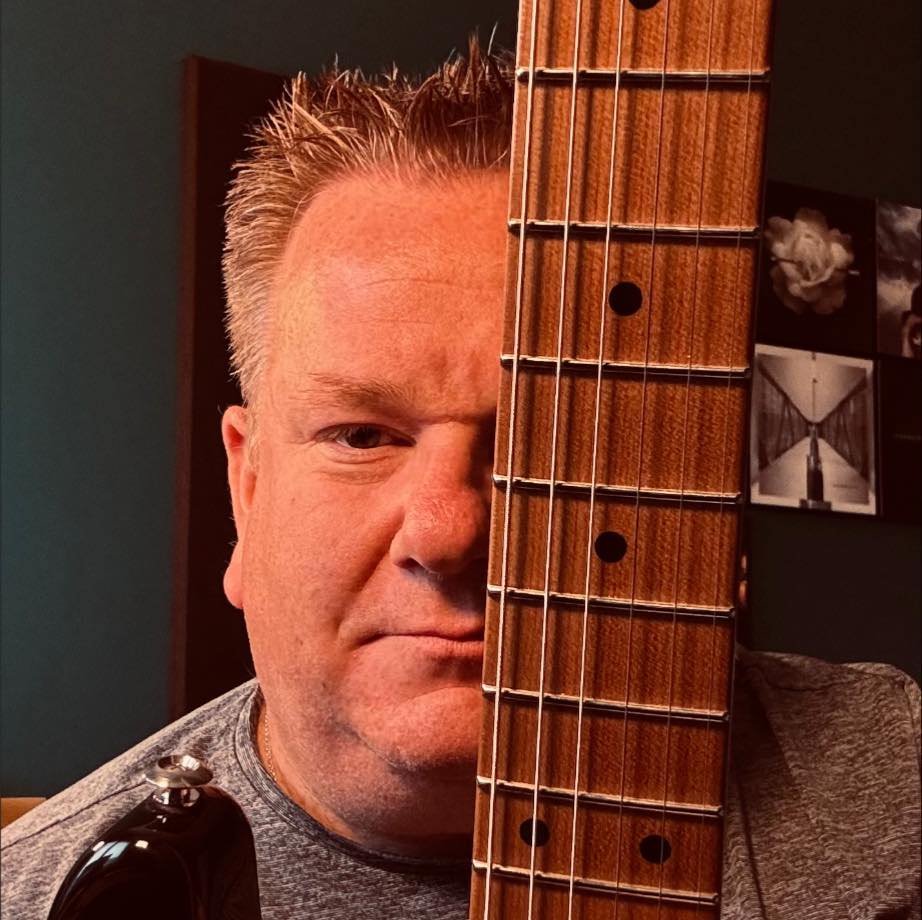

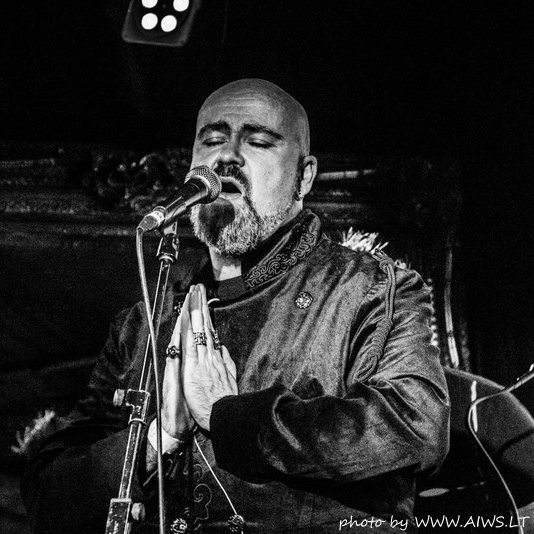
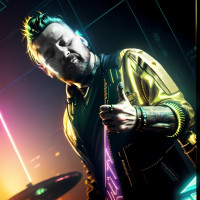
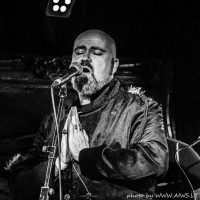
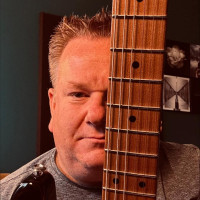
( pictured left to right : Abraham - Baker - Lyndon )
What kind of response are you hoping for from listeners?
Dean: I’m hoping that people will give it a chance and at least listen to it. Progressive rock fans are very knowledgeable about music and will certainly have opinions.
This release really needs to be listened to with an open mind. Don’t expect it to be progressive but to know that there certainly are some progressive rock parts to it.
Non progressive rock fans should also realise that this isn’t a progressive rock album but there are many elements which would be called as such.
Andrew: We had an interview on the Prog and Rock Show. We have had airplay in Poland, reviews from Holland etc...and all the album pressings have been distributed out to all leading progressive rock stores. We are also in the May issue of Blitzed magazine with an album review. I’m gobsmacked.
Does this release open the door for more collaborations between you?
Andrew: Yes, i want to do another album and I’ve already started writing new material. I’d love to show the listeners what we could achieve now and produce something even better than, Where Do We Go From Here. That’s a challenge and one I’m so much up for.
Dean: Yes, I think that we’ll get together to write some more material. The guys at OSKAR have opened a door for us that, hopefully, will allow us another opportunity for more material in the future.
Before we wrap up—any chance we’ll hear new material from CLOAK?
Dean: It’s something that Andrew and I have spoken about. A lot of it depends on how the material starts to unravel itself to us. This album could have been a Cloak release had Lee not been so heavily involved. He brings a rock element that obviously doesn’t sit with Cloak. That’s why the branding for this album was discussed at such length.
At the end of the day, I’m a synth player first and foremost and it’s where my heart is and it’s great to have bandmates around me to see what
direction we can go in. A lot of Galahad’s material can get synth heavy and occasionally it opens us up for criticism. I would say that Galahad fans have very open minds when it comes to music tastes and that allows a lot of crossover for us which makes me feel that there would be a market for Cloak material.
Andrew: Never say never I say. We were always welcome in the synth scene and met some amazing musicians and people who became good friends. Dean has a second solo album to finish and then hopefully Abraham Baker Lyndon album no.2 can be looked at. I have so much material in my back catalogue and some vocal lines are definitely more suited for Cloak.
I guess the main question to ask is do the synth fans want another Cloak album.
23/5/2026