
Click the sleeve to be redirected to the artist’s current/pre-save track.



























ALBUM OF THE WEEK
PROJECT POETRY PROJECT - FURTHER VERSES
































DUGMASTERS NEW ALBUM 'HUSH' OUT NOW


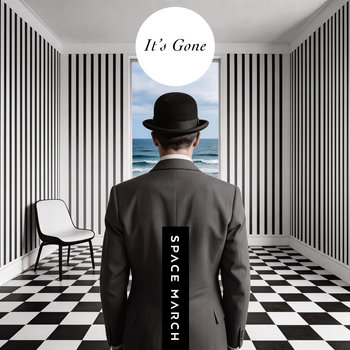
ARTIST : SPACE MARCH
TRACK : IT'S GONE
RELEASED : 28/8/2026
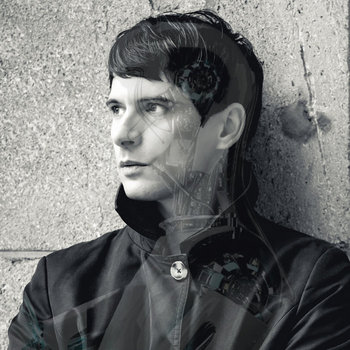
There’s something instantly familiar yet deeply personal about Space March’s “It’s Gone.” Written, performed, produced and mixed by Craig Simmons, the track takes melodic synthpop and uses it to explore something we all experience — the realisation that time keeps moving, and some parts of our lives can never be recovered.
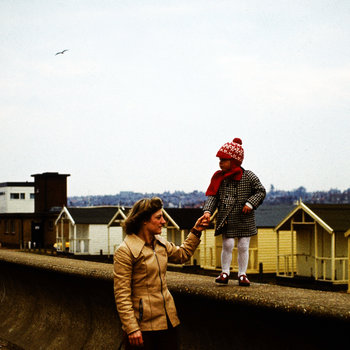
From the opening moments, the electronic textures create a wonderfully atmospheric backdrop for a song steeped in reflection. Synths shimmer beneath a melody that feels both nostalgic and melancholic, creating the sensation of looking back through old photographs and remembering a version of yourself that no longer exists.
But “It’s Gone” isn't simply a nostalgic trip into the past. There is a darker emotional undercurrent here. Childhood innocence and freedom have been replaced by the responsibilities and realities of adulthood, and the song captures that transition with an honesty that makes it surprisingly powerful.
Space March's melodic approach gives the track plenty of warmth, while the electronic production keeps it firmly rooted in the synthpop tradition. Fans of classic electronic pop should find plenty to appreciate, while the emotional subject matter gives the song something beyond simply great synth sounds.
Ultimately, “It’s Gone” is about accepting that we can't turn the clock back. We can remember, we can reflect, and we can occasionally revisit those moments through music — but time only moves in one direction.
And perhaps that's exactly what makes this song so affecting.
A beautifully melancholic synthpop reflection on growing older, remembering who we were, and accepting what has disappeared along the way.

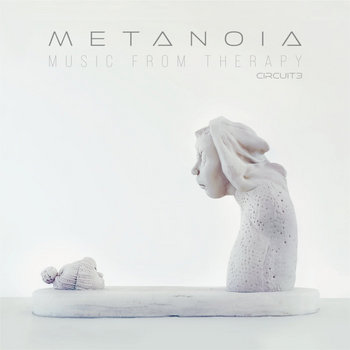
ARTIST : CIRCUIT 3
ALBUM : METANOIA : Music from therapy
RELEASED : 14/8/2026
There are electronic albums that are made to make you dance, albums designed to recreate the sounds of a particular era, and then there are albums that invite you to simply sit down, listen and reflect. Metanoia: Music From Therapy, the latest release from Dublin-based electronic artist Peter Fitzpatrick, better known as Circuit3, belongs firmly in that final category.
Released through Mortality Tables, Metanoia represents a fascinating departure from Circuit3's more familiar melodic synthpop territory. Instead of conventional song structures and prominent vocals, Fitzpatrick turns to analogue synthesizers, drones, atmospheric textures and carefully placed melodies to create something far more introspective.
The album's title is particularly appropriate. Metanoia refers to a profound change of mind or heart, and the record was inspired by conversations about trauma, therapy, memory and the difficult process of confronting parts of ourselves that have been kept hidden. Rather than putting those experiences into conventional lyrics, Fitzpatrick allows the synthesizers to tell the story.

The opening track, “Cracked Eyes,” immediately establishes the album's uneasy but compelling atmosphere. There is a sense of memory slowly coming back into focus, with spoken word adding another human dimension to the electronic landscape. It is an intriguing introduction to an album that refuses to provide easy answers.
“Mood” and “Imperfect” continue that journey, exploring self-awareness through restrained electronic arrangements. There is beauty here, but it is never entirely comfortable. Fitzpatrick understands that introspection isn't always peaceful; sometimes looking inward means confronting things we'd rather leave buried.
Then comes “Burnout,” a suitably tense and atmospheric piece that feels like the point where everything becomes too much. The music doesn't need a vocal narrative to communicate that feeling. The electronics themselves become the emotional language.
One of the album's most striking moments is “Where Are We Going?” At just over two minutes, its sparse acoustic piano provides a welcome change of texture. After the heavier emotional territory of the preceding tracks, the piano feels almost like stepping outside into daylight. It is simple, vulnerable and beautifully effective.
“Shielding From The Past” takes the album somewhere darker again. Its ambient foundations gradually shift and evolve, reflecting the complicated ways in which we protect ourselves from painful memories. It is a piece that rewards patience; this isn't music that reveals everything on the first listen.
The wonderfully titled “What If Everything Goes Right?” introduces perhaps the most optimistic question on the album. Even its title feels like a small act of bravery. After spending so much time examining difficult experiences, the possibility of something better becomes just as significant as the fear of what might go wrong.
And then comes “The Hope.”
Co-written and produced with electronic music legend Vince Clarke, the eleven-minute closing track is the album's centrepiece. Rather than turning the collaboration into an obvious synthpop exercise, Fitzpatrick and Clarke create something much more spacious and atmospheric. The track develops gradually, constructing a hypnotic electronic landscape in which darkness and optimism coexist.
It is an unusually mature collaboration. There is no need for a huge chorus or a nostalgic attempt to recreate the past. Instead, The Hope feels like two generations of electronic music meeting somewhere in the middle and allowing the machines to speak for themselves.
What makes Metanoia so compelling is its honesty. This is not an album that attempts to turn difficult experiences into easy inspirational slogans. It acknowledges uncertainty, pain, memory and vulnerability while leaving room for the possibility of change.
Fitzpatrick's use of analogue equipment gives the record a tactile quality, but this isn't simply another exercise in retro electronic nostalgia. Although the album draws upon the vocabulary of late-1970s and early-1980s electronic music, Metanoia feels contemporary because its subject matter is deeply human.
There is also something refreshing about an electronic album that embraces silence and space. Every sound feels deliberately placed. The arrangements aren't overcrowded, allowing individual tones and melodies to breathe. It is music that asks the listener to slow down rather than constantly demanding attention.
Metanoia: Music From Therapy is therefore much more than an ambient electronic album. It is a musical diary, a collection of fragments, memories and emotional landscapes transformed through synthesizers and analogue machines.
For listeners expecting straightforward Circuit3 synthpop, this may initially feel like a very different record. Give it time, however, and its rewards become increasingly apparent. This is an album to experience rather than simply consume.
BANDCAMP - FACEBOOK - SOUNDCLOUD - YOU TUBE - CIRCUIT3.COM